![Buy Rybelsys (semaglutide) by Novo Nordisk [Ozempic, Wegovy] in UK](https://anabolics-heaven.com/wp-content/uploads/2019/03/steroids.jpg)
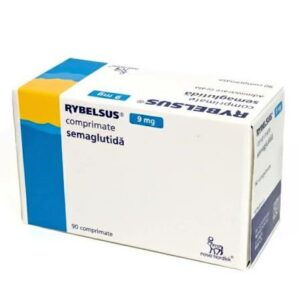 Rybelsus: An Innovative Oral GLP-1 Receptor Agonist for Type 2 Diabetes
Rybelsus (semaglutide) represents a significant advancement in type 2 diabetes management as the first oral glucagon-like peptide-1 (GLP-1) receptor agonist approved for use in adults . Unlike other medications in its class that require injection, Rybelsus offers a convenient once-daily tablet option for improving glycemic control and reducing cardiovascular risk .
How Rybelsus Works
Rybelsus contains the active ingredient semaglutide, a GLP-1 analogue that shares 94% sequence homology with human GLP-1 . As a GLP-1 receptor agonist, it works by mimicking the action of a natural hormone produced in the gut . The medication lowers blood glucose through several mechanisms: it stimulates insulin secretion from the pancreas in response to food, lowers glucagon secretion, and causes a minor delay in gastric emptying during the early postprandial period . Importantly, insulin and glucagon secretion occur in a glucose-dependent manner—meaning the drug is most active when blood sugar levels are elevated .
Approved Uses
Rybelsus has two primary FDA-approved indications :
-
Glycemic Control: As an adjunct to diet and exercise to improve blood sugar in adults with type 2 diabetes mellitus .
-
Cardiovascular Risk Reduction: To reduce the risk of major adverse cardiovascular events (cardiovascular death, non-fatal myocardial infarction, or non-fatal stroke) in adults with type 2 diabetes who are at high risk for these events .
The cardiovascular indication was granted by the FDA in late 2025, making Rybelsus the only oral GLP-1 receptor agonist approved for this purpose . This approval was based on the SOUL trial, a phase 3b study of 9,650 participants with four years of follow-up, which demonstrated that oral semaglutide reduced the risk of major cardiovascular events by 14% compared to placebo .
Clinical Efficacy
Clinical studies have demonstrated Rybelsus’s effectiveness in lowering A1C levels. In a six-month study of 1,864 adults with type 2 diabetes, those with an average starting A1C of 8.3% achieved reductions of 1.0% on the 7 mg dose and 1.3% on the 14 mg dose . These reductions were superior to those seen with the leading branded pill comparitor .
Important Administration Guidelines
There are two distinct Rybelsus formulations—Formulation R1 (3 mg, 7 mg, and 14 mg strengths) and Formulation R2 (1.5 mg, 4 mg, and 9 mg strengths) . These formulations are not substitutable on a milligram-per-milligram basis, and patients should use only one formulation consistently .
Proper administration is critical for effectiveness :
-
Take on an empty stomach in the morning with up to 4 ounces of plain water (no other liquids)
-
Wait at least 30 minutes before eating, drinking, or taking other oral medications
-
Swallow tablets whole—do not split, crush, or chew
-
If a dose is missed, skip it and take the next dose the following day
Dosing Schedule
For Formulation R1, the typical dosing progression is :
-
Days 1-30: Starting dose of 3 mg once daily (not intended for glycemic control)
-
Days 31-60: Increase to 7 mg once daily
-
Day 61 onward: Maintain 7 mg or increase to 14 mg based on glycemic response
For Formulation R2 :
-
Days 1-30: Starting dose of 1.5 mg once daily
-
Days 31-60: Increase to 4 mg once daily
-
Day 61 onward: Maintain 4 mg or increase to 9 mg based on response
Important Safety Considerations
Rybelsus carries a boxed warning regarding the risk of thyroid C-cell tumors, as semaglutide caused dose-dependent thyroid C-cell tumors in rodent studies at clinically relevant exposures . While it is unknown whether this applies to humans, Rybelsus is contraindicated in patients with a personal or family history of medullary thyroid carcinoma or Multiple Endocrine Neoplasia syndrome type 2 . Patients should be counseled to watch for symptoms such as a neck mass, hoarseness, difficulty swallowing, or shortness of breath .
Common adverse reactions include nausea, abdominal pain, diarrhea, decreased appetite, vomiting, and constipation . Other potential risks include acute pancreatitis, diabetic retinopathy complications, hypoglycemia (especially with concurrent insulin secretagogue or insulin use), acute kidney injury, and severe gastrointestinal reactions . In the SOUL trial, adverse events leading to permanent discontinuation occurred in 15.5% of the oral semaglutide group compared to 11.6% of the placebo group, with gastrointestinal disorders being the most common cause .
The Bottom Line
Rybelsus represents an important oral alternative to injectable GLP-1 receptor agonists for managing type 2 diabetes, offering effective blood sugar control alongside proven cardiovascular benefits. Its unique once-daily oral formulation, careful dosing schedule, and dual indications make it a versatile option for appropriate patients under medical supervision.
Buy Rybelsys (semaglutide) by Novo Nordisk [Ozempic, Wegovy] in UK
Buy Rybelsys (semaglutide) by Novo Nordisk [Ozempic, Wegovy] in UK